
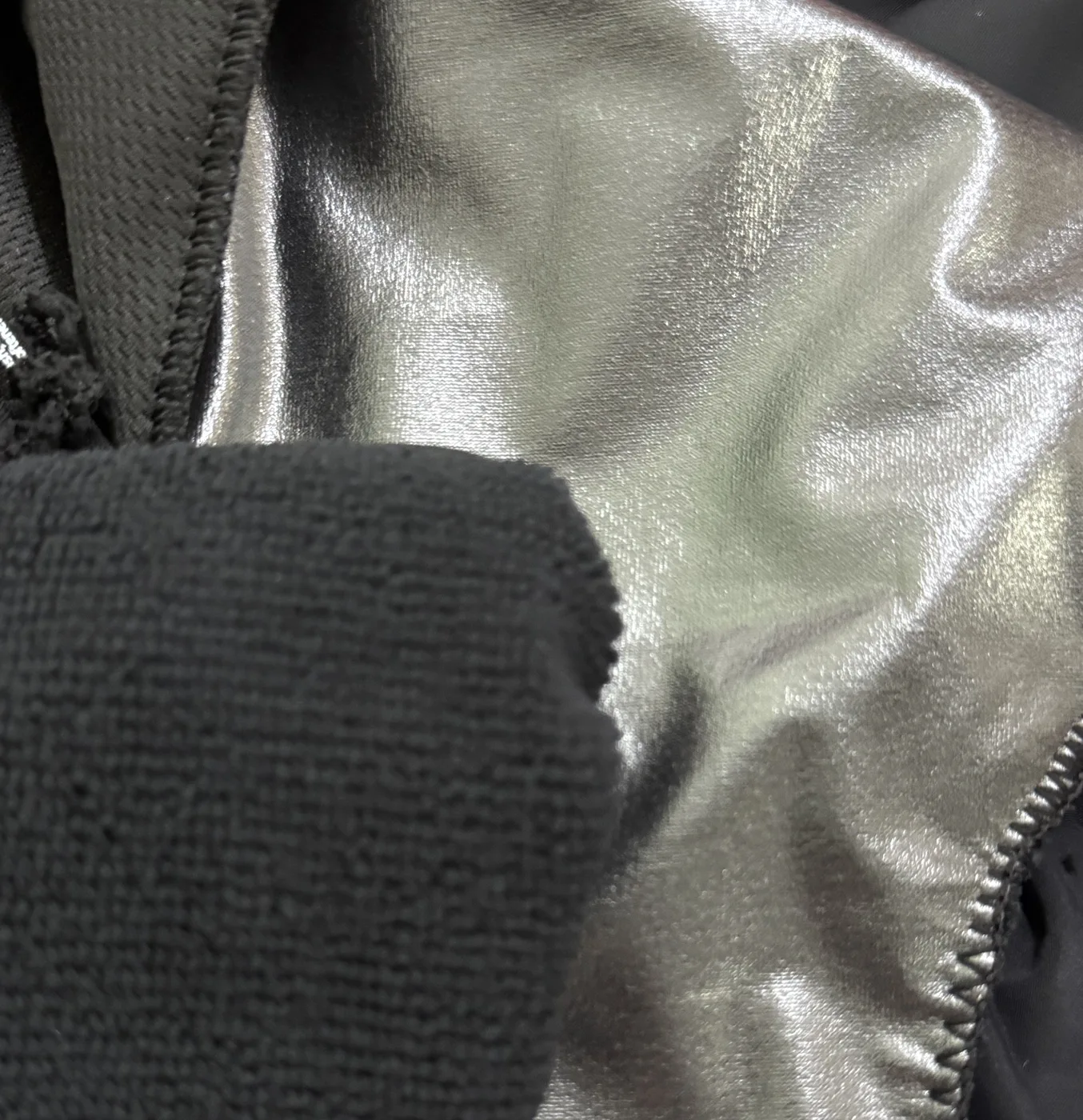

A period underwear sample can look excellent from the outside—and still need substantial development inside the gusset.
For an OEM/ODM brand, the gusset is the functional protection zone where absorbent materials, moisture barriers, garment pattern and fit must work together. Two products described as having a “four-layer gusset” may differ in where protection starts and ends, how wide it remains when worn, and how the edges behave during movement.
The key question is not “How many layers can we add?” It is “Where does protection need to be, and how can the whole garment deliver it comfortably?”
This guide explains the gusset design decisions brands should settle before approving an OEM sample.
What Is the Gusset in Period Underwear?
In ordinary underwear, a gusset often refers to the small fabric panel inside the crotch. In period underwear, the term may describe a more complex functional assembly, which can include a skin-facing surface, absorbent components, a moisture-resistant or waterproof barrier, and supporting garment fabric.
That distinction matters. A supplier might describe the length of the visible inner panel, while a buyer is asking how far the functional absorbent and barrier layers extend. Those measurements are not always the same.
Before comparing styles, a brand should agree on what “gusset length” and “gusset coverage” refer to in the specification: the visible panel, the absorbent core, the barrier layer, or the complete protective assembly.
A good starting point is to review three connected areas: layer structure, protection-zone geometry, and finished-garment fit.
1. Gusset Layers: Start with Functions, Not a Number
There is no universally correct layer count for every period underwear style. A construction may combine several jobs in distinct fabrics, while another may use a material that performs more than one function. The outer shell may or may not be counted in a supplier’s advertised number of layers.
| Functional role | What the development team should evaluate |
|---|---|
| Skin-facing surface | Comfort against the body and how the surface receives moisture |
| Acquisition or transfer layer, where used | How liquid moves away from the contact point into the absorbent structure |
| Absorbent component | The intended liquid-holding function, thickness and placement |
| Moisture barrier | How the design aims to limit moisture reaching the outer garment under defined conditions |
| Garment shell and support | Stretch, recovery, shape and integration with the rest of the underwear |
This is a functional explanation, not a claim that every YeegemCare style has five separate layers or follows one fixed stack. Some designs combine roles, and the final construction must be defined for the individual product.
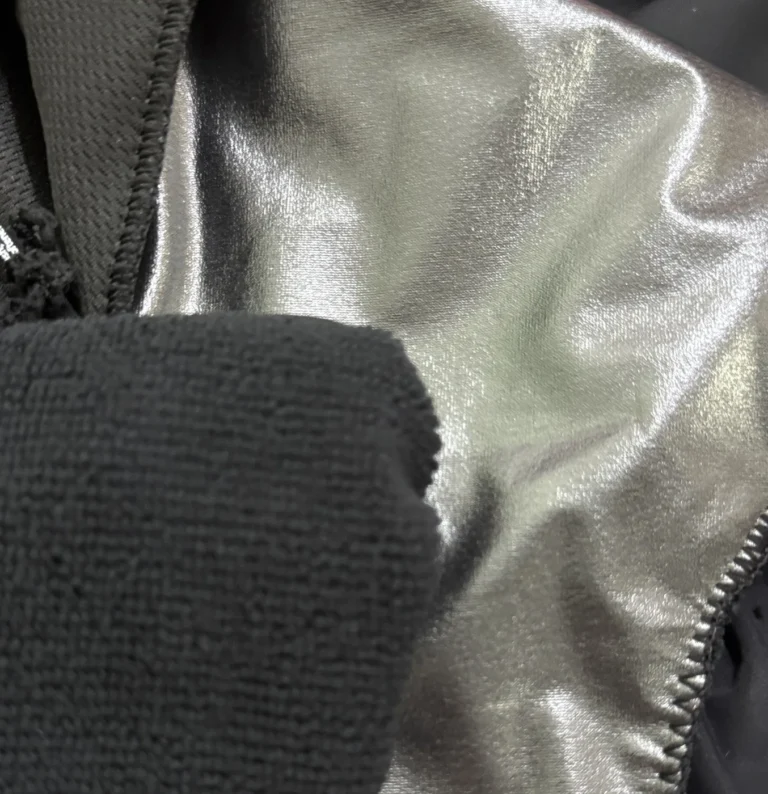
A thicker stack is not automatically better. Adding material without reconsidering the pattern can change the way the gusset bends, sits between the legs or meets the garment edges. Similarly, an excellent absorbent textile cannot make up for a protective zone that is poorly positioned.
For a more detailed discussion of what performance figures mean, see our guide to period underwear absorbency testing.
2. Gusset Length: Where Does Protection Begin and End?
Gusset length is a coverage decision, not just a measurement on a flat garment.
The front and rear boundaries should be considered in relation to the intended wearer, body position and product use. A brand planning lightweight everyday underwear may choose a different coverage direction from one developing a garment for sleep or prolonged seated use.
For example, extending coverage farther toward the back may be a useful development option for certain overnight briefs. It does not, by itself, guarantee better leakage protection. The additional section must still sit where intended when the garment is worn and remain compatible with the waistband, seat stretch and absorbent-layer construction.
At the front, extending the protective zone may also affect how the product looks and feels. A longer panel can introduce visible edges, stiffness or extra bulk if the layer transitions are not designed carefully.
When discussing length with a manufacturer, distinguish the front extension, crotch section and rear extension rather than relying on one total-length figure. The brand and pattern team should agree on clear landmarks for each measurement.
3. Gusset Width: Coverage Must Work with the Leg Openings
Width is just as important as length, yet it is easy to overlook in an early tech pack.
A flat pattern may show a generously sized protective panel. Once elastic tension and body movement are introduced, however, the panel’s position relative to the leg openings can change. A very wide or stiff gusset may cause discomfort or bunching; a narrow protective zone may leave less margin if liquid moves laterally.
The correct direction depends on the silhouette, size range and intended use. Useful measurements include the width through the narrowest crotch section, the position of the widest absorbent section, and the distance between the functional protection edge and the leg-opening seam.
The usable protection width should be assessed on the finished garment, not inferred from the flat cut piece alone.
4. Coverage Changes with the Underwear Silhouette
It is tempting to copy one successful gusset pattern into an entire collection. That can be a useful starting point, but it should never replace fit and functional review for each silhouette.
| Product direction | Gusset questions worth reviewing |
|---|---|
| Everyday bikini or brief | Does the protective area align with the intended contact zone without unnecessary bulk? |
| High-rise or overnight brief | Is additional rear or front coverage appropriate, and how does it behave when seated or lying down? |
| Active or movement-focused style | Does the protection zone stay correctly positioned as the wearer stretches, bends and moves? |
| Thong or narrow-back silhouette | How much protective width and rear coverage can the silhouette accommodate without overstating its use case? |
| Boxer-style or fuller-coverage underwear | How does the absorbent assembly interact with the extended pattern, leg openings and additional seams? |
These are design questions, not fixed rules that a particular silhouette can or cannot meet a given capacity. Any performance claim still needs suitable evidence for the final product.
The goal is to make the silhouette, intended protection level and functional geometry agree with one another before production specifications are locked.
5. Layer Coverage and Gusset Coverage Are Not Always the Same
A brand may draw one shaded gusset shape and assume every functional layer follows that outline. In practice, the absorbent component, moisture barrier and lining may need different cut sizes, overlaps or transitions.
A factory therefore needs more than “four layers, extended gusset.” The specification should define where the relevant components begin and end, how they are joined, and whether their transitions create visible ridges or uncomfortable edges.
When available, request a genuine separated-layer photo or cross-section alongside a finished inside-gusset view. Real construction images clarify details that a generic marketing diagram may conceal.
6. Seam and Edge Construction: Small Details, Real Consequences
Leakage and discomfort can occur around the edge of the protection zone, not only through its central absorbent area.
Seams, binding, elastic tension and stitching choices should therefore be part of the functional design review. Depending on the construction, needle penetration, exposed material edges, puckering, shifting layers or an awkward seam position may create issues that need to be evaluated.
This does not mean every period underwear gusset requires one particular seam-sealing method. The correct assembly method depends on the materials, design, machinery and agreed performance requirements.
For brands, useful prototype questions are straightforward:
- Can the wearer feel the edge or a thick seam in a sensitive area?
- Does the gusset remain flat through the crotch after fitting and laundering?
- Could the leg-opening seam or gusset transition become a weak point under the chosen test conditions?
- Can the approved construction be repeated consistently in production?
A sample can look neat on the table but behave differently when stretched, worn or washed. Edge construction deserves both visual inspection and suitable functional review.
7. Fit and Size Grading: A Gusset Must Work Beyond One Sample Size
A pattern approved in one size should not automatically be assumed to fit and protect identically across a full size range. Grading changes body proportions, leg openings and sometimes the position of the gusset relative to the wearer.
Agree which sizes require fit and functional review. Compare protection-zone position and stability while standing, sitting and moving, as appropriate for the intended use.
Independent textile testing organizations such as Hohenstein offer evaluations of fluid absorption capacity, retention and absorption speed for reusable period underwear. That does not mean any YeegemCare style has been tested or certified by Hohenstein.
8. Thinness and Comfort Are Design Trade-Offs
“High protection, almost invisible under clothing, and no bulky feel” is a useful design goal, but it involves trade-offs.
Extra coverage can change thickness distribution. More absorbent material may support a particular capacity target while affecting drape, fit or drying behavior; a thinner construction may be more discreet but limit material choices. Agree which priorities matter most, then evaluate them in a prototype rather than assuming a certain number of layers will solve everything.
9. What Should the Gusset Specification Include?
A practical OEM tech pack should describe the gusset clearly enough that a pattern maker, sample technician and production team can interpret it in the same way.
| Specification item | What to document |
|---|---|
| Style and version | Product code, silhouette, revision date and approved reference sample |
| Coverage boundaries | Front and rear functional-layer endpoints, referenced to clear pattern landmarks |
| Width and shape | Relevant widths, curves and protection-zone outlines for the defined sample size |
| Layer map | Material function, sequence, cut shape and where each layer starts and finishes |
| Edge and seam construction | How layers are joined, seam placement, finishes and any project-specific barrier treatment |
| Size grading | Which dimensions change by size and which sizes need review |
| Appearance and comfort | Permitted visible lines, thickness concerns and fit acceptance points |
| Validation plan | Intended use, agreed checks, any external laboratory scope and approval criteria |
The numbers and tolerances should come from the actual design and approved sample. A generic measurement chart taken from another product is not a substitute for product-specific decisions.
Brands without a complete tech pack can still start with reference photos, intended usage and known fit concerns. A manufacturer can then help translate that direction into a development brief, subject to the selected project scope.
10. From Prototype to Approval: A Practical Development Sequence
First, define the wear scenario. Is the product intended as a discreet everyday brief, an overnight option, an active style or another specific direction? Agree on the silhouette and coverage priorities before debating the layer count.
Next, review the material roles and gusset pattern together. Mark the front and rear boundaries, widths, transitions and construction method. Confirm what each layer is meant to do and which areas it actually covers.
Then, sample and review fit. Examine the finished underwear on appropriate fit references and record any shifting, bunching, discomfort, unexpected exposed edges or changes in the intended protective position.
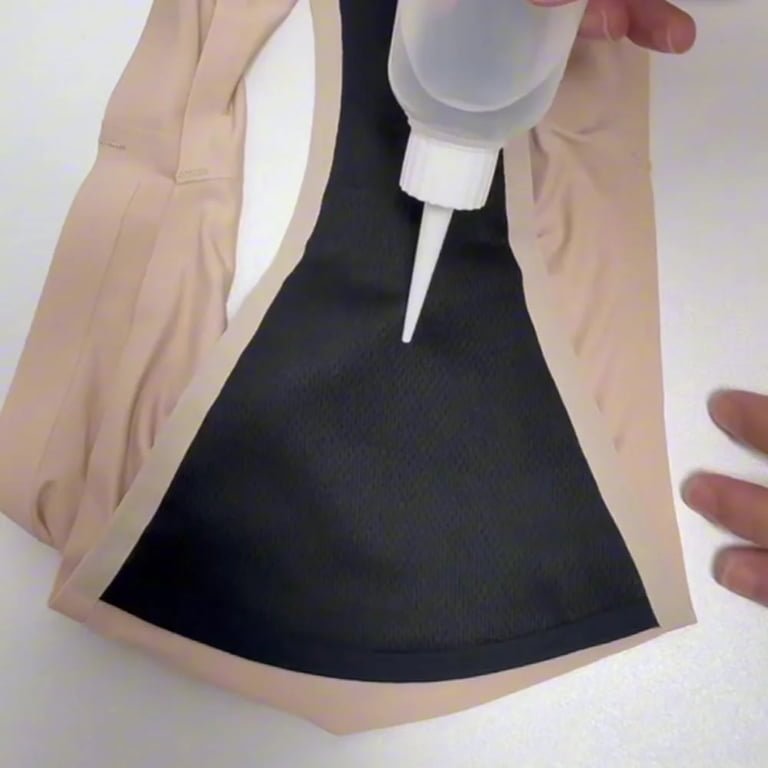
Finally, validate against agreed criteria. In-house development observations can help refine the prototype, while third-party testing may be arranged when a claim or buyer requirement calls for it. A simple liquid-pour demonstration is not proof of certified capacity or leakage prevention. Our Testing & Evidence page explains these distinctions.
If significant construction, material or geometry changes are made after testing, the brand and manufacturer should consider whether the revised version needs additional evaluation.
Questions Brands Often Ask
Is a longer gusset always better for overnight period underwear?
No. Rear extension may help meet a coverage goal, but fit, edge construction and the agreed performance test still matter.
Does a higher layer count automatically mean better absorbency?
No. Material properties, available absorbent area and construction matter more than the advertised number.
Can we use the same gusset across bikini, high-rise and thong styles?
A common platform may be a starting point, but different silhouettes require their own geometry and fit review.
Should the gusset change across different sizes?
Possibly. Review how grading changes the position, width and coverage of the functional area.
Does adding a waterproof layer guarantee zero leakage?
No. Protection depends on the whole finished garment, its edges, fit and use conditions. Avoid absolute claims without suitable supporting evidence.
Develop the Gusset Around the Wearer—and the Brand’s Product Brief
At YeegemCare, period underwear development can start from a suitable existing style or a custom brief. We discuss pattern, protection-zone placement, materials, comfort and sampling around the specific project. Buyer-requested third-party testing may be arranged with methods, costs and scope agreed separately.
Explore our period underwear OEM/ODM range and product-development process. If you are preparing a first prototype, read what brands should consider before sampling.
A good gusset is not simply longer, wider or thicker. It is designed for the garment, the wearer and a clearly defined performance goal.
Have a tech pack, reference style or early concept? Discuss your project with YeegemCare and tell us what the gusset needs to achieve.
发表回复